
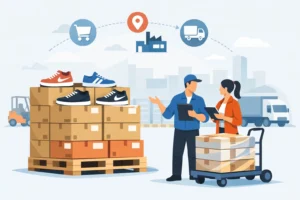
A pallet of branded sneakers can change your month fast – in a good way if you buy right, or in an expensive way if you guess wrong. That is why branded sneaker pallets wholesale keeps pulling in resellers who want recognizable inventory, better margins, and products that can move across multiple sales channels.
Sneakers sit in a sweet spot for resale. Brand recognition does a lot of the selling for you. Customers understand the value quickly, and that matters whether you run a discount store, sell at a flea market, list online, or move inventory through local buyers. But not every pallet is built the same, and the money is made before you ever list the first pair.
Why branded sneaker pallets wholesale attracts resellers
When buyers go after generic footwear, the price might look attractive, but sell-through is usually slower. Branded sneakers are different. Recognizable labels create built-in demand, especially in categories tied to sports, lifestyle wear, kids’ shoes, and everyday casual use.
That demand gives you options. A mixed pallet can be broken down by size, style, age group, or condition and sold across different price points. Clean shelf pulls may fit online marketplace listings. Customer returns may work better in a discount storefront or bin-style setup. Pairs with damaged boxes can still sell locally if the shoes are in solid condition. The point is simple – branded product gives you more ways to recover margin.
There is also a scale advantage. Buying by the pallet lowers your per-unit cost compared to sourcing pairs one at a time. For resellers trying to grow beyond one-off flips, pallets make it easier to keep inventory flowing without chasing random deals every week.
What you are really buying in a Branded Sneaker Pallets
A lot of new buyers focus on the brand name and stop there. That is a mistake. In liquidation, the value of a sneaker pallet comes from the full mix: condition, assortment, size spread, seasonality, packaging, and the source category.
Most branded sneaker pallets wholesale lots come from overstock, closeouts, shelf pulls, customer returns, or mixed surplus inventory. Each one carries different upside and different risk.
Overstock and closeouts
These are usually the cleanest formats. You may see better packaging, stronger condition, and a more consistent presentation for resale. That does not always mean every pair is perfect, but overstock and closeout lots usually give buyers a more straightforward path to resale, especially online.
Shelf pulls
Shelf pulls can be excellent value when the shoes are still new but the packaging has wear, labels, stickers, or minor box damage. These lots often work well for discount retail, outlet-style reselling, and marketplace buyers who care more about the product than the box.
Customer returns
Returns can offer stronger discounts, but you need to price in labor. Some pairs may be tried on once. Others may show wear, missing insoles, damaged laces, mismatched boxes, or no box at all. Returns are not bad inventory by default. They just require sorting, testing, cleaning, and realistic pricing.
How to evaluate branded sneaker pallets wholesale before you buy
The strongest buyers do not ask only one question: What is the discount? They ask a better set of questions that protect their margin.
Start with the manifest, if one is available. Look for model mix, quantity, size spread, condition notes, and whether the lot includes mens, womens, or kids’ styles. A pallet full of common sizes can move faster than a pallet loaded with edge sizes, even if the retail value looks similar on paper.
Then look at the inventory grade. Terms like new, like new, shelf pull, returned, untested, or salvage matter because they change your labor cost and your expected sell-through. A buyer with a storefront may do well with a rougher lot. A seller focused on online marketplaces may need cleaner goods to avoid returns and customer complaints.
Freight matters too. A cheap pallet can become an average deal after shipping. If you are buying branded sneaker pallets wholesale, calculate your landed cost, not just your invoice total. That means product cost, shipping, handling, any prep work, and your estimated loss rate on unsellable pairs.
Margin comes from sorting, not just sourcing
A pallet is not a single product. It is a group of opportunities. Resellers who make the best money on sneaker pallets usually break the lot into categories fast and price each category with purpose.
Clean pairs with strong photos and good packaging may deserve higher online pricing. Everyday pairs with shelf wear may sell faster in local marketplaces at a moderate discount. Lower-grade pairs might be bundled, cleared out in-store, or sold to another reseller in bulk.
This is where many buyers leave money on the table. They average the entire pallet into one resale estimate and miss the fact that different pairs belong in different channels. The better your sorting process, the stronger your recovery rate.
There is also a speed factor. If your operation is small, a heavily mixed return pallet can slow you down. If your team can process, clean, relabel, and photograph efficiently, that same pallet may produce better margins than a cleaner but more expensive lot. It depends on your labor, your selling channels, and how fast you need cash back into the business.
Who should buy smaller lots and who should scale up in the buying of Branded Sneaker Pallets
Not every reseller should jump straight into truckloads or multiple pallets. A smaller buyer often does better starting with one pallet or even box-level inventory to test demand, grading tolerance, and channel fit.
If you are newer to liquidation, branded sneaker pallets wholesale can still make sense, but you want manageable risk. A single pallet lets you learn how the lot was packed, how condition impacts resale, and what your real processing cost looks like. That is a much smarter move than overbuying and discovering too late that half your inventory does not match your business model.
Experienced buyers usually benefit from volume because they understand freight economics and inventory rotation. Once you know what categories sell well for you, scaling into multiple pallets can improve consistency and lower average acquisition cost. That is when direct liquidation sourcing becomes a real growth tool instead of just a one-time deal.
What dependable suppliers do differently when purchasing Branded Sneaker Pallets
The liquidation space is full of sellers promising huge retail values and easy profits. Serious resellers know to look past hype. A dependable supplier gives clear lot descriptions, realistic condition expectations, responsive support, and buying formats that match different budget levels.
That matters because trust reduces expensive surprises. You want to know whether you are buying mixed returns, shelf pulls, or closeout inventory. You want a supplier that can help with fulfillment, freight coordination, and repeat purchasing when a category works for you.
This is also why many resellers prefer a direct-source liquidation partner over chasing random secondary deals. Better consistency does not mean zero risk, but it gives you a stronger chance to buy inventory with a plan instead of just taking a gamble. Pallet Liquidation Wholesale Online is built around that reseller mindset – practical lots, volume pricing, and inventory formats that let buyers start small or scale up.
Common mistakes that cut into profit in the business of Branded Sneaker Pallets
The biggest mistake is buying for brand name alone. A famous label does not guarantee a profitable pallet if the condition is rough, the sizes are hard to move, or freight wipes out your edge.
Another common issue is ignoring channel fit. Some buyers purchase return-heavy lots and expect new-condition resale prices. Others buy clean overstock inventory and then dump it locally too cheaply because they never built an online listing process. The pallet has to match how you actually sell.
There is also the problem of underestimating prep time. Missing laces, dirty soles, damaged boxes, sticker removal, sorting mismatched pairs – that work costs money, even if you are doing it yourself. Smart buyers account for time the same way they account for shipping.
Making branded sneaker pallets wholesale work for your business
The best approach is simple. Buy with a resale plan already in place. Know your target price bands, your preferred condition range, and your main selling channels before you order. If you do that, you stop buying pallets based on excitement and start buying based on math.
For many resellers, branded sneakers remain one of the more practical liquidation categories because demand is broad and resale paths are flexible. Kids’ pairs, athletic styles, casual sneakers, and mixed branded lots all have room in the market when your cost basis is right.
The opportunity is real, but so is the need for discipline. Good buying means understanding grade, landed cost, processing time, and customer demand in the same equation. When those pieces line up, branded sneaker pallets wholesale becomes more than a bargain purchase – it becomes reliable inventory you can turn into repeat sales.
If you are trying to build a stronger resale pipeline, start with lots you can process well, not just lots that look big on paper. The right pallet is the one you can move profitably and reorder with confidence.
