
If you sell sneakers, discount footwear, or mixed branded merchandise, an On Cloud Shoes Pallet can be the kind of inventory that gets attention fast. Buyers recognize the brand, the retail price point is strong, and that gives resellers room to work with margin when the lot is sourced correctly. The real question is not whether demand exists. It is whether the pallet makeup, condition, and buy cost make sense for your channel.
Why an On Cloud Shoes Pallet gets reseller attention
On running shoes have built a strong following with shoppers who want comfort, brand recognition, and a premium look without stepping into luxury pricing. That matters in liquidation because recognizable products move faster than unknown labels. When customers know the brand, you spend less time explaining what it is and more time closing the sale.
For resellers, that creates a simple opportunity. A well-priced pallet can support marketplace listings, in-store sales, live selling, and local resale all at once. If your business depends on quick-moving branded footwear, this category usually gets more clicks and more questions than generic mixed shoes.
There is also a price advantage built into the category. Because retail pricing on performance footwear is higher than basic fashion shoes, even moderate discounts can leave room for healthy resale margins. That does not mean every pallet is a win. It means the upside is there when the sourcing is right.
What you may find in an On Cloud Shoes Pallet
Pallets in liquidation are rarely one-size-fits-all. An On Cloud Shoes Pallet may include overstock, shelf pulls, customer returns, closeouts, or mixed-condition inventory depending on the lot. Some pallets are cleaner and more consistent, while others offer a lower entry cost because the mix includes more risk.
Overstock and closeout lots tend to attract buyers who want simpler resale. Sizes may still be mixed, but the condition is often easier to work with and listing is more straightforward. Shelf pulls can also be strong if packaging wear is minor and the shoes remain clean and sellable.
Customer return pallets usually carry the biggest spread between risk and reward. The buy-in can be lower, but sorting takes more time. Some pairs may be near new, some may have damaged boxes, and some may need to be tested, cleaned, or matched. If you already have a process for grading and reselling returned footwear, those lots can make sense. If you need inventory you can move quickly with minimal handling, cleaner overstock pallets may be the better call.
How to evaluate an On Cloud Shoes Pallet before buying
The best buyers do not get distracted by brand name alone. They look at the lot like a business decision. Start with the manifest, if one is available. Check model variety, quantity, size spread, and stated condition. If the pallet is unmanifested, you need to balance the lower visibility with the lower cost and decide how much uncertainty your business can absorb.
Next, look at average unit cost. A pallet might sound cheap until freight is added and damaged units are factored in. Divide the full landed cost by the estimated sellable pairs, not the total pair count. That number gives you a more honest view of your margin.
You also want to think about your selling channel. If you move inventory through a physical store, a wider size mix can be useful because walk-in buyers vary. If you sell online, odd sizes or slower models may sit longer unless priced aggressively. A pallet that works for one reseller may be a poor fit for another.
Brand demand helps, but condition still controls speed. Premium buyers expect decent presentation. A pair with heavy box damage or visible wear may still sell, but the price ceiling drops. That is why experienced buyers always compare potential resale value against labor. Cheap inventory is not always profitable inventory if it eats up too much time.
Resale channels and margin potential
An On Cloud Shoes Pallet can work across multiple sales channels, and that flexibility is part of the appeal. Online marketplaces are usually the first option because branded shoes already have built-in search demand. Buyers search by model, size, and color, which makes listing easier than unbranded shoes.
Local channels can be just as valuable. Discount stores, sneaker-focused booths, flea market setups, and social selling groups often move branded footwear quickly when the pricing is right. A reseller who can offer recognizable performance shoes below retail has a strong angle, especially in markets where customers still want name brands but are watching their budget.
Margin depends on the lot. Cleaner pallets with stronger assortments may cost more upfront but often produce better sell-through and fewer markdowns. Lower-grade return pallets can create bigger wins on a few pairs, but they also bring more loss, more labor, and more inconsistency. There is no universal best option. It depends on whether your business is optimized for speed, volume, or recovery value.
Who should buy this type of pallet
This category makes sense for resellers who already understand footwear or want to build around branded shoes with broad consumer appeal. If you sell online and know how to grade condition, photograph pairs, and price by model and size, you can extract more value from mixed lots. If you run a discount store or bin store, branded athletic footwear can also help pull in repeat traffic.
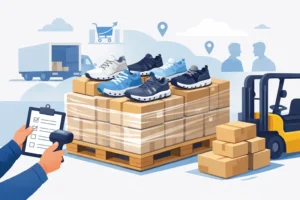
New buyers can start here too, but only if they stay disciplined. Do not assume every pair will sell near retail. Do not assume every box will be clean. And do not buy based only on the headline discount. The better move is to start with a manageable lot size, learn the condition range, and build your process from there.
What separates a good liquidation source from a bad one
The product matters, but the supplier matters just as much. When you buy liquidation inventory, you want clear lot information, realistic condition descriptions, and support that helps you move from checkout to delivery without confusion. If the supplier cannot explain the lot type, shipping process, or expected condition range, that creates risk before the pallet even leaves the warehouse.
A dependable source helps buyers at different levels. Smaller operators may need a single pallet to test the category. Larger buyers may want recurring inventory or larger volume purchasing. Flexible lot sizes, straightforward ordering, and responsive communication all matter because they reduce friction and help you turn inventory faster.
That is where direct liquidation sourcing has an edge. Instead of chasing random lots from scattered sellers, buyers can source from a wholesale-focused operation that understands reseller economics. Pallet Liquidation Wholesale Online serves that market with liquidation inventory built for business buyers who care about price, volume, and resale potential.
On Cloud Shoes Pallet buying mistakes to avoid
The biggest mistake is buying on brand alone. On is a strong name, but the pallet still has to make sense by condition, sizes, and landed cost. Another common mistake is underestimating freight. A pallet deal can look attractive until shipping pushes the per-pair number too high.
Some buyers also overestimate how many units are truly sellable at full target price. If part of the lot needs cleaning, relabeling, box replacement, or discounting, your real margin changes fast. Build those costs in early. It is better to be conservative on profit expectations and get a pleasant surprise than the other way around.
Finally, do not ignore your own selling speed. Premium branded footwear is attractive, but if your audience mainly buys lower-ticket basics, the turnover may be slower than expected. Good inventory is only good if it fits your customer base.
Is an On Cloud Shoes Pallet worth it?
For many resellers, yes. The brand has recognition, the category has broad demand, and liquidation pricing can create real resale room when the pallet is sourced carefully. That said, this is not automatic money. The value is in buying the right condition mix, understanding your channel, and staying honest about labor, freight, and expected sell-through.
If you want branded footwear that can support stronger price points than generic mixed shoe lots, this category is worth serious attention. Buy with your numbers in front of you, keep your resale plan tight, and choose inventory that matches how you actually sell. That is usually where the best pallet decisions get made.
