
Branded sneakers move fast when the buy price makes sense, and that is exactly why Air Jordan Pallets get so much attention from resellers. For the right buyer, these lots can turn into strong-margin inventory for online sales, local sneaker demand, discount retail, and mixed-lot resale. The key is not just finding the product. It is buying with clear expectations on condition, lot makeup, and resale strategy.
Why Air Jordan Pallets attract buyers
Air Jordan is one of the most recognized names in footwear. That matters in liquidation because brand recognition cuts down the time it takes to move inventory. A customer may hesitate on an unknown shoe, but they already understand the value of a known athletic brand.
For resellers, that can mean faster listing turnover and broader sales channels. Depending on the lot, inventory may fit marketplace sellers, sneaker resellers, discount shoe stores, bin stores, and local bulk buyers. Even mixed-condition inventory can still make sense if the cost per pair leaves room for profit after shipping, fees, and prep.
That said, not every pallet is the same. Some buyers expect all new-in-box premium pairs and get surprised when a liquidation lot includes shelf pulls, box damage, missing lids, customer returns, or mixed sizing. The opportunity is real, but the numbers only work when you understand what kind of inventory you are buying.
What you may find in Air Jordan pallets
Most liquidation footwear lots are built from overstock, shelf pulls, closeouts, and customer returns. In an Air Jordan pallet, that can translate into a mix of men’s, women’s, and youth sizes, assorted styles, older releases, and packaging conditions that vary from pair to pair.
Some lots lean cleaner and are better for marketplace resale. Others are better suited for discount storefronts, flea market setups, or local cash sales where packaging matters less than price. If the manifest is available, check style mix, size spread, and total unit count. If the lot is unmanifested, price discipline becomes even more important because you are taking on more uncertainty.
Condition drives margin. New pairs with original boxes generally have the strongest resale upside. Shelf pulls can still perform well if cosmetic wear is light. Customer returns need a closer look because cleaning, missing accessories, or sole wear can eat into profit and labor time.
How to evaluate profit before you buy
A lot of buyers focus only on the brand name. Smart buyers work the math first. Start with your landed cost, not just the pallet price. That includes freight, taxes if applicable, unloading costs, and any labor needed to inspect, sort, clean, photograph, and list.
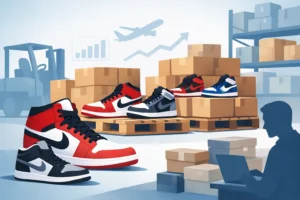
Then compare that number against realistic resale value, not best-case resale value. A pair that looks like a big win at top market pricing may be average once seller fees, promotions, and slower sell-through are factored in. If the lot includes mixed condition or incomplete packaging, build that into your estimate up front.
Air Jordan Pallets can be especially attractive when the average cost per pair comes in low enough to give you options. You may sell top pairs individually for maximum margin and move slower pairs in bundles or local clearance. That flexibility is where many resellers make their money.
What to ask before purchasing
Before you commit, get clear on the basics. Ask whether the lot is manifested or unmanifested, what condition category it falls under, whether sizes are mixed, and whether original boxes are included. You also want to know if the pallet is returns-heavy or more overstock-driven because that changes your risk level immediately.
Freight details matter too. A cheap pallet can stop being cheap once shipping is added. Confirm pallet dimensions, total weight, shipping origin, and whether delivery is residential or commercial. If you have dock access or a forklift, your freight cost may be lower. If not, liftgate service may need to be added.
This is where working with a direct liquidation source helps. Buyers want speed, but speed without product details creates expensive mistakes.
Who should buy these lots
Air Jordan pallets are a strong fit for resellers who already know how to price footwear and move branded inventory across multiple channels. If you sell on eBay, Facebook Marketplace, Whatnot, local sneaker groups, flea markets, or discount retail, these lots can give you inventory depth without paying retail acquisition costs.
They also work for newer buyers if the lot size matches the budget and risk tolerance. A smaller pallet or mixed footwear lot may be a better first move than jumping into a large truckload. The goal is simple: buy enough to create margin and momentum, but not so much that one slow pallet ties up your cash flow.
Pallet Liquidation Wholesale Online focuses on that kind of buyer – resellers who need access to branded inventory, flexible lot sizes, and a buying process that moves quickly.
The real advantage of buying in bulk
The biggest advantage is leverage. When you buy one pair at a time, your margin is limited by retail sourcing. When you buy a pallet at below-retail pricing, you create room to price competitively and still protect profit. That matters in a market where customers compare prices fast and branded shoes bring immediate attention.
Bulk buying also helps you build consistency. Instead of hunting isolated deals every week, you can source larger quantities, standardize your listing workflow, and keep inventory flowing. The better your process gets, the faster you can turn a pallet into revenue.
If you are looking at Air Jordan Pallets, treat them like a business decision, not a hype buy. Check the lot type, run the landed cost, know your resale channels, and buy where the numbers leave room to win.
