
A lot of resellers hear the term and assume it means damaged leftovers that nobody wanted. That is usually the wrong read. If you’re asking what are shelf pull items, the short answer is this: retail products removed from store shelves or stockrooms and sold through liquidation channels instead of staying in regular retail inventory.
That matters because shelf pulls often sit in a better resale lane than customer returns, while still coming in far below standard wholesale or retail pricing. For online sellers, discount store owners, flea market vendors, and pallet buyers, shelf pulls can be the kind of inventory that moves fast when bought right.
What are shelf pull items?
Shelf pull items are products a retailer takes out of active store inventory even though they were not necessarily sold to a customer first. They may have been pulled because of seasonal resets, packaging changes, discontinued SKUs, overstock pressure, store closures, planogram updates, or category cleanouts. In plain terms, the store made room, and the goods got rerouted.
That does not mean every item is perfect. Some shelf pulls are clean and retail-ready. Others have price stickers, distressed boxes, light handling wear, missing tags, or open packaging. The key difference is that shelf pulls are generally not the same as customer returns. A return was bought, used or opened by a shopper, then sent back. A shelf pull may never have left the store’s control.
For a reseller, that distinction can affect both risk and margin. Condition tends to be more predictable with shelf pulls than with return-heavy loads, but there is still variability lot to lot.
Why retailers pull merchandise off shelves
Retailers are not pulling products because every item is bad. Most of the time, the reason is operational. Big chains need space for new inventory, new promotions, and new product lines. When a season ends or packaging changes, it is often cheaper and faster for them to liquidate existing stock than keep managing it at store level.
A shoe style might be replaced by a new colorway. A health and beauty item might get new branding. A toy line might lose shelf space after a holiday push. A home goods section may be reset and older SKUs get pulled even if the products are still sellable.
This is exactly where liquidation buyers step in. Retailers want inventory off the books. Resellers want branded goods at a discount. Shelf pulls sit in that middle ground.
What condition should you expect?
This is where smart buying starts. Shelf pulls can range from near-new to visibly handled. If you go in expecting every item to look factory fresh, you will misprice the load. If you assume everything is junk, you will miss profitable opportunities.
Most shelf pull lots include merchandise in one or more of these conditions: new in box, new with damaged packaging, new without original packaging, tagged but handled, or lightly shopworn from in-store contact. In apparel and footwear, you may also see mismatched box lids, sticker residue, try-on wear, or minor scuffs. In general merchandise, packaging dents, label marks, and opened outer boxes are common.
The important part is resale usability. A sneaker box with tape damage can still sell. A blender with a crushed carton but sealed components can still sell. A shirt missing a retail tag can still move in a discount store or online as long as the item itself is clean and authentic.
Condition affects channel. A cleaner shelf pull item may work on Amazon or your own website. A package-damaged item may fit eBay, Whatnot, Facebook Marketplace, or a local store better. A more mixed presentation may still perform well in flea market or bin-store environments.
Shelf pulls vs customer returns
This comparison matters because many new buyers lump all liquidation together.
Customer returns usually carry more risk. The item may be opened, used, incomplete, defective, or swapped. Some returns are excellent. Some are a headache. Shelf pulls, by contrast, are often closer to retail inventory that simply got removed from sale rotation.
That said, shelf pulls are not automatically better in every case. A return lot with strong manifests and tested products can outperform a weak shelf pull lot with heavy packaging damage or stale categories. It depends on the source, the product category, and your resale model.
If your business depends on cleaner presentation, lower testing time, and faster listing, shelf pulls are often attractive. If your business is built around repair, parts, or deep discount flipping, returns may still have a place.
Why resellers buy shelf pull items
The simple reason is margin. Shelf pull inventory gives resellers a chance to buy recognizable merchandise at prices that leave room for markup, even after freight, prep, marketplace fees, and some expected loss.
There is also a speed factor. Many shelf pull items need less processing than heavily returned merchandise. You may not need to test every product, replace as many missing parts, or spend as much time figuring out what happened to the item. That can matter a lot when you’re scaling from a few boxes to pallets or truckloads.
Footwear is a strong example. Shelf pull sneakers and shoes can be especially attractive because buyers know the brands, sizing is standardized, and the resale market is active across multiple channels. Even when boxes are not perfect, the shoes themselves can still bring solid returns if condition is accurately described.
For discount retailers, shelf pulls also support a simple value proposition: branded goods below retail. Customers are willing to overlook a wrinkled package or markdown sticker if the price is right.
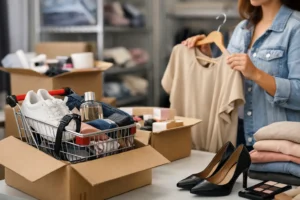
How to evaluate shelf pull inventory before you buy
The best buyers do not chase the lowest price alone. They look at recoverable value.
Start with category fit. Shelf pulls perform differently depending on what you sell. Apparel, shoes, toys, small home goods, and beauty can all work well, but each has its own risk profile. Footwear may have strong resale demand but also more sensitivity to visible wear. Beauty may move quickly but can have stricter condition expectations. Electronics can bring higher upside, but shelf pull status does not remove the need to verify completeness.
Next, look at the lot format. Manifested loads give you more pricing control because you can estimate resale value item by item. Unmanifested or semi-manifested loads may offer deeper discounts, but they require stronger buying discipline. If you are newer, smaller lots can help you learn what condition range and category mix actually fit your business.
Then factor in prep costs. Every load has a real landed cost, not just a purchase price. Add shipping, pallet handling, supplies, cleaning, relabeling, storage, and labor. A lot that looks cheap can get expensive fast if each item needs extra work.
Finally, think about your sell-through speed. A higher-margin item that sits for six months is not always better than a lower-margin item that turns in two weeks. Shelf pulls are often strongest when you can move volume consistently.
How to price shelf pull items for profit
Pricing starts with condition honesty. If the item is new with damaged packaging, say that. If the box is missing, price for that. Trying to squeeze full retail from a shelf pull item just because the product is unused usually slows the sale and creates buyer friction.
A practical approach is to segment inventory into three bands. Cleaner, retail-ready pieces can target your highest-margin channels. Mid-grade pieces with package wear can be priced competitively for online marketplaces. Lower-grade but functional items can be bundled, discounted, or pushed through local channels.
This is where shelf pulls can outperform expectations. You are not trying to make maximum margin on every single unit. You are trying to create strong blended margin across the lot. A few top-condition items can carry extra profit while cosmetically rougher units still generate cash flow.
Common mistakes buyers make with shelf pulls
The first mistake is assuming shelf pull means perfect. The second is assuming it means unsellable. Both lead to bad decisions.
Another mistake is buying categories you do not understand just because the discount looks big. Cheap inventory is only good inventory if you can actually move it. A pallet of mixed shelf pulls may be a great deal for a discount store and a bad fit for a seller who only knows one marketplace.
New buyers also miss the importance of supplier consistency. One strong load means very little if the next three are unpredictable in condition, packaging, or category mix. Reliable sourcing matters because your business needs repeatable inputs, not just lucky flips.
For that reason, many resellers work with liquidation suppliers that offer flexible lot sizes and straightforward inventory types. Pallet Liquidation Wholesale Online, for example, focuses on helping buyers source discounted merchandise in formats that match different budgets and resale models.
Are shelf pull items worth it?
For many resellers, yes – especially when the source is solid, the category is familiar, and the pricing leaves room for normal loss. Shelf pulls can offer a strong middle ground between clean wholesale and riskier returns. You get access to merchandise that often has real retail lineage, recognizable brands, and usable resale condition without paying standard distribution prices.
But worth it depends on how you buy and how you sell. If your business needs pristine packaging across every unit, shelf pulls may feel inconsistent. If your customers care more about brand, function, and price than a perfect box, shelf pulls can be one of the better inventory plays in liquidation.
The real advantage is not the label itself. It is knowing how to turn that inventory into cash. When you understand condition, channel fit, and margin targets, shelf pull items stop being a vague liquidation term and start becoming a buying strategy.
